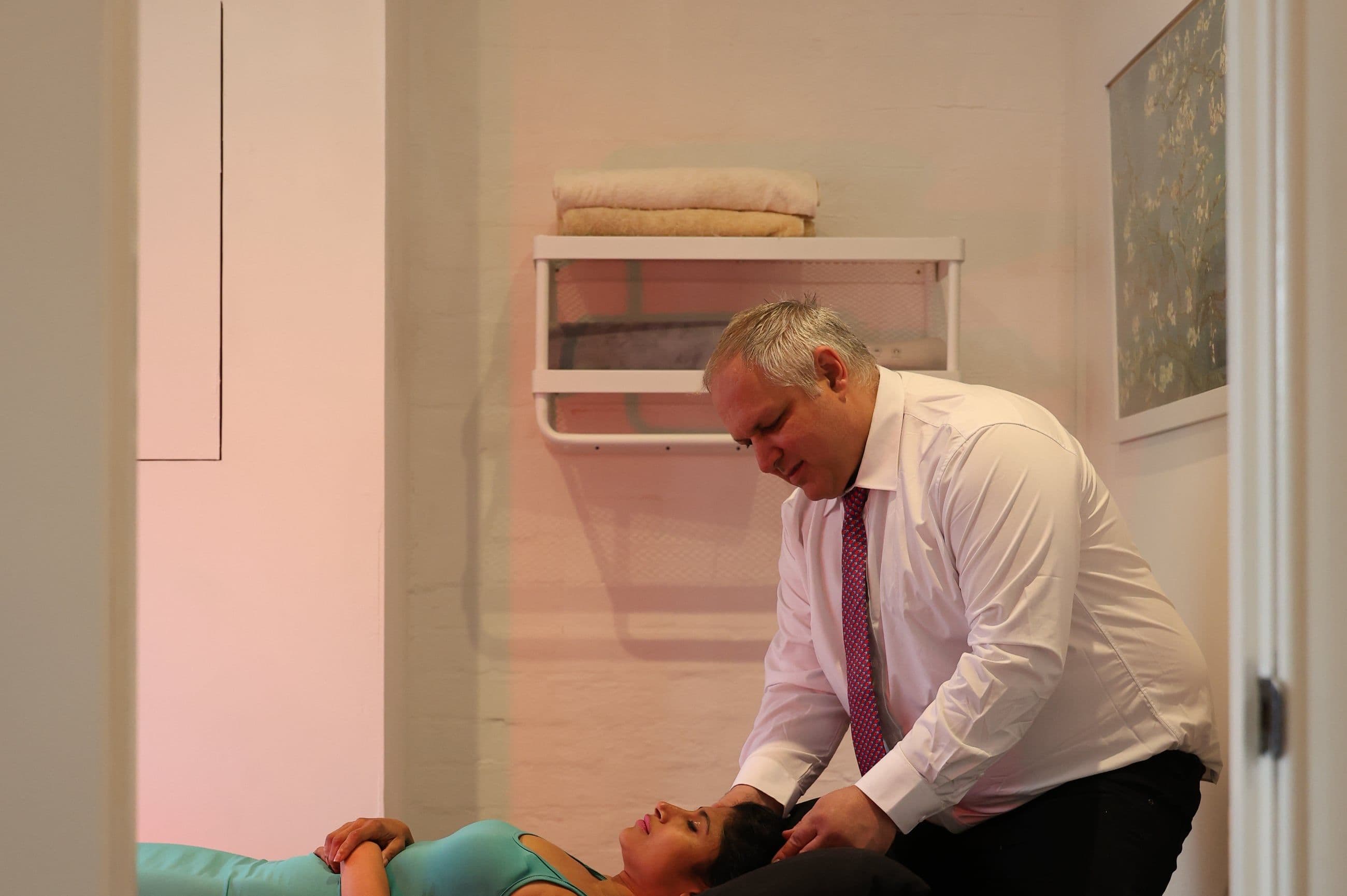
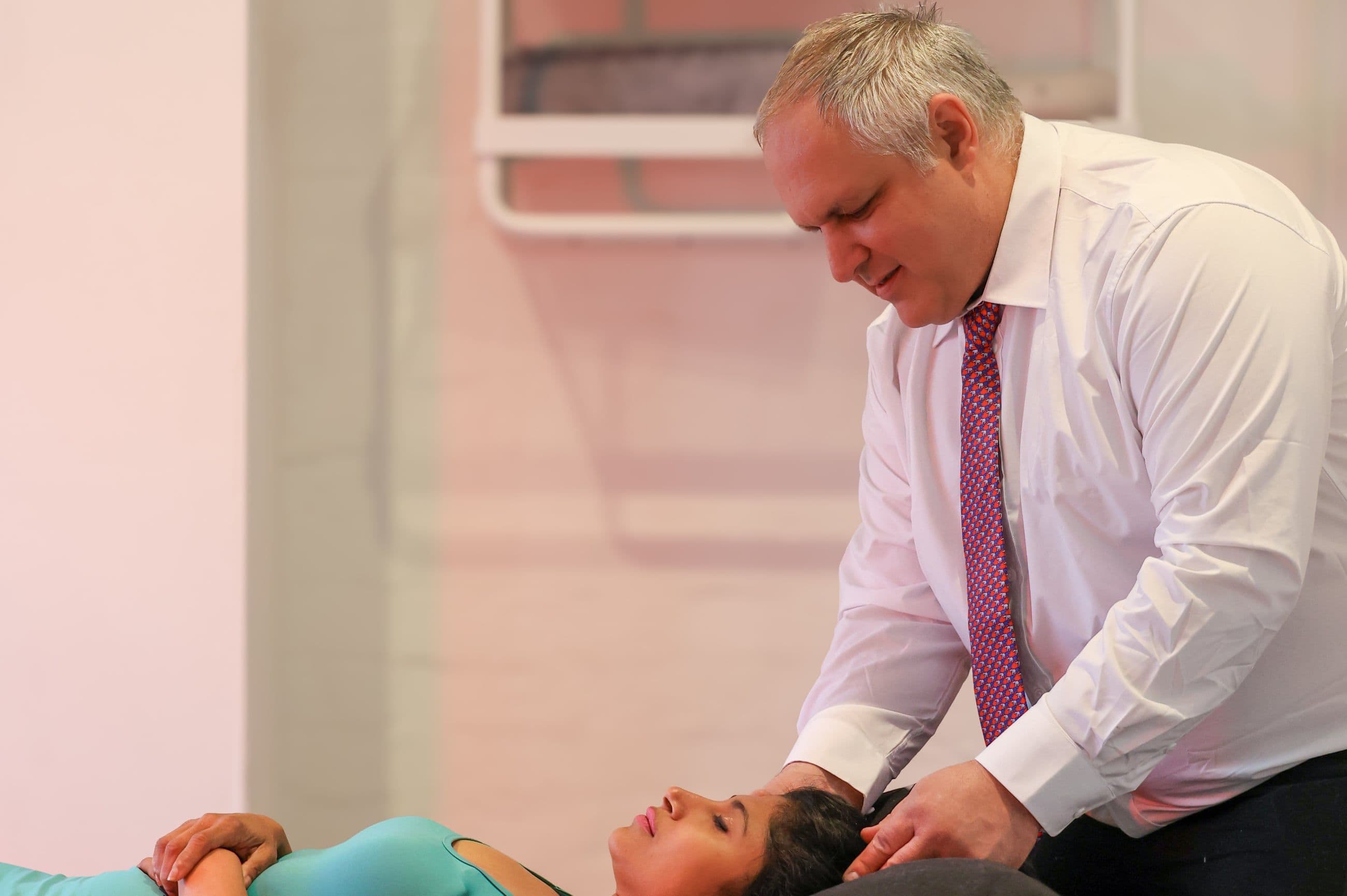
Restorative Therapies
Restorative therapies focus on supporting the body's natural ability to heal, recover and function well, helping you rebuild balance, energy and resilience over time.
Restorative Therapies to Support Recovery and Resilience
What Are Restorative Therapies?
Restorative therapies work with the body's physiology and natural healing processes to support recovery and long-term health. Rather than focusing on isolated symptoms, restorative care helps people rebuild capacity, regulate stress and strengthen the foundations of wellbeing.
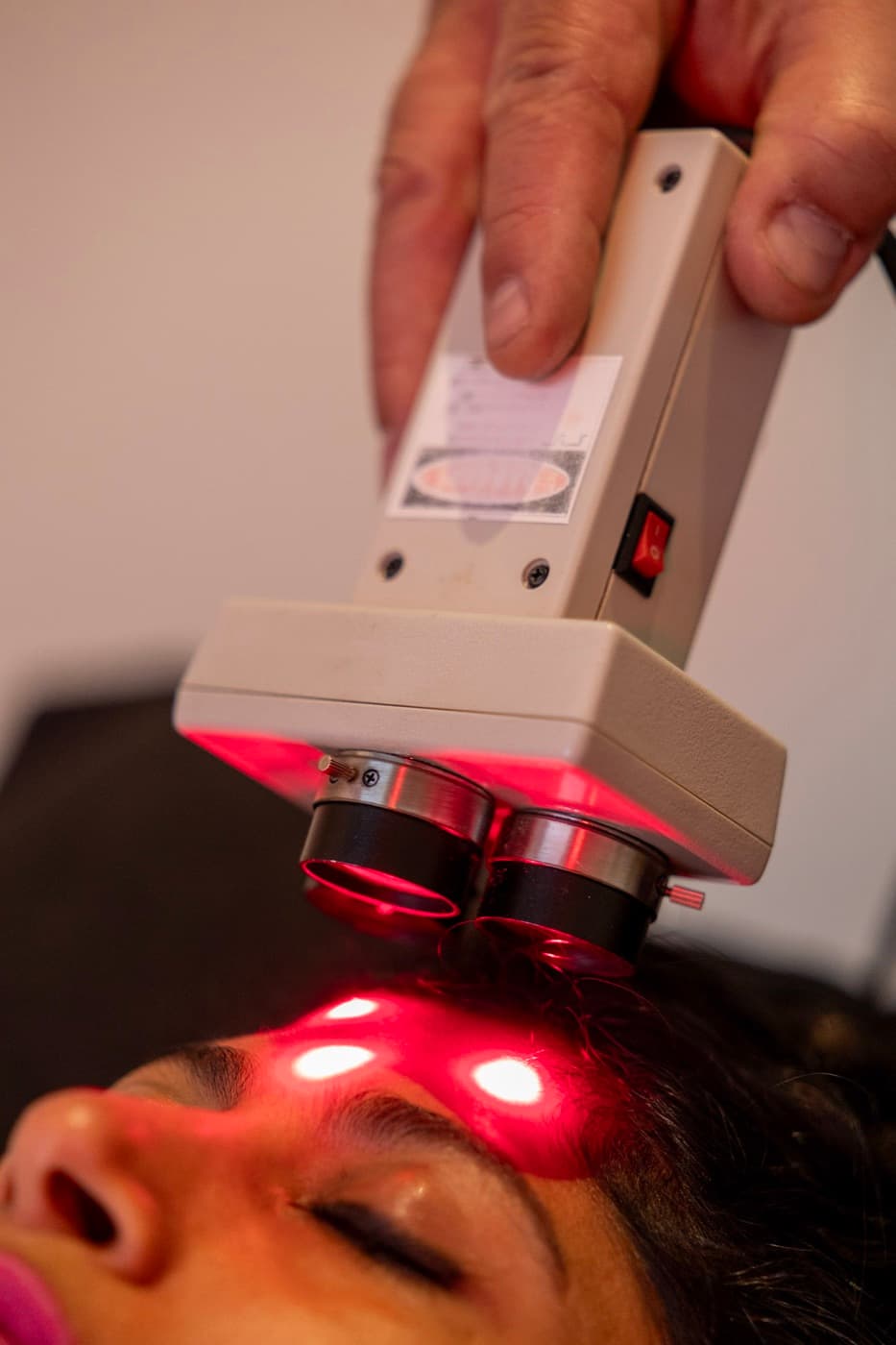 Restorative Care · Camberwell
Why Restorative Care Is Important
Many people move from one issue to the next without fully recovering. Ongoing stress, disrupted sleep and limited recovery time can gradually reduce the body's ability to cope. Restorative therapies support recovery by helping the body return to a more balanced, resilient state, improving how it responds to physical, emotional and mental demands.
What Restorative Therapies May Include
Support, not discipline
Breathing exercises
Supporting nervous system regulation and relaxation.
Healthy habit support
Guidance around sleep, movement and recovery.
Self-care practices
Helping integrate care into daily life.
Informed decision-making
Supporting understanding of health choices and practices.
This is not prescriptive or rigid — care adapts to the individual.
Supporting an Active Role in Your Health
Restorative care empowers people to take an active, informed role in their health, helping them understand their bodies, recognise patterns and make supportive choices over time. This partnership approach encourages confidence, awareness and long-term wellbeing.
How Restorative Therapies Fit Into Care
Restorative therapies often complement traditional treatments and preventative care. While treatment may address specific concerns and preventative care helps maintain balance, restorative therapies focus on rebuilding capacity and resilience, supporting the body between and beyond treatment phases.